
Slow Down, See More: Why Slow Travel Is the 2026 Travel Trend You Need to Know
Slow Down, See More: Why Slow Travel Is the 2026 Travel Trend You Need to Know
For decades, vacation culture has celebrated packing in as much as possible - 8 countries in 14 days, sunrise-to-midnight museum marathons, ticking off “must-see” landmarks like they were boxes on a to-do list. But something has shifted. In 2026, a new kind of traveller is emerging: one who doesn’t want to see more so much as want to feel more. (And take it from us, we’ve travelled the world and are dreaming up plans BTS to make this happen – slowing down and living somewhere else in the world whilst sharing it with your partner, your best friend, is the best way to feel more!)
This shift is called slow travel, and it’s reshaping how people experience the world -favouring deeper connection, longer stays, richer personal growth, and a more sustainable approach to travel (and quite possibly, a new life!)
What Is Slow Travel?
Slow travel isn’t just travelling at a slower pace—it's a mindset. It’s about quality over quantity:
Staying longer in one place (weeks or even months instead of days)
Choosing fewer destinations, but experiencing them more fully
Engaging with local people, culture, food and rhythms
Reducing stress, transit time and carbon footprint
Instead of checking off iconic attractions within tight timeframes, slow travellers prioritise meaningful interaction with a place and its community, cuisine, nature and daily life.
Why Slow Travel Is Exploding in Popularity (2026)
1. Post-Pandemic Perspectives Still Evolving
The pandemic shifted how people view life and time. Travelers became more mindful of health, stress and personal fulfilment. Quick bursts of sightseeing feel less satisfying compared to living in a destination - even briefly.
2. Remote Work Makes It Possible
Hybrid and fully remote jobs are mainstream now (thankfully!). Many travellers are blending work and travel for weeks or months at a time - a lifestyle once limited to freelancers or retirees. Slow travel is the natural fit for this “work from anywhere” world and we couldn’t support this more!
3. Climate and Sustainability Awareness
Travelers are increasingly aware of their environmental impact. Flying less often, staying longer and consuming locally produced goods and services all reduce carbon footprints and benefit local economies.
4. Desire for Cultural Authenticity
Travelers aren’t just looking for a photo for Instagram - they’re hungry for stories, community and authentic experiences that stay with them long after the trip ends.
Who Is Embracing Slow Travel?
Millennials & Gen Z Adventurers:
Younger travellers are redefining success by life experience rather than possessions or climbing the corporate career ladder. They value local connection, sustainability and flexibility. Many plan long stays between jobs or freelance projects.
Remote Workers & “Digital Nomads”:
People who can work from anywhere account for a large slice of the slow-travel market. They want a comfortable home base, reliable internet and enough time to explore a region without constant packing and unpacking. What was once considered an ‘alternative way of living’ digital nomads now are the norm and embraced by society.
Older Travelers & Retirees:
Retirees often have the time and resources to spend weeks or months abroad. They’re drawn to slow travel for cultural immersion, relaxed pacing and meaningful social connections.
Wellness Seekers:
People burned out by fast lifestyles and especially high-stress professionals (been there done that, got the T-shirt!) all seek travel that supports emotional and physical wellbeing. Slow travel delivers rest, nature and mindfulness by design.

Two Rising Destinations for Slow Travel in 2026
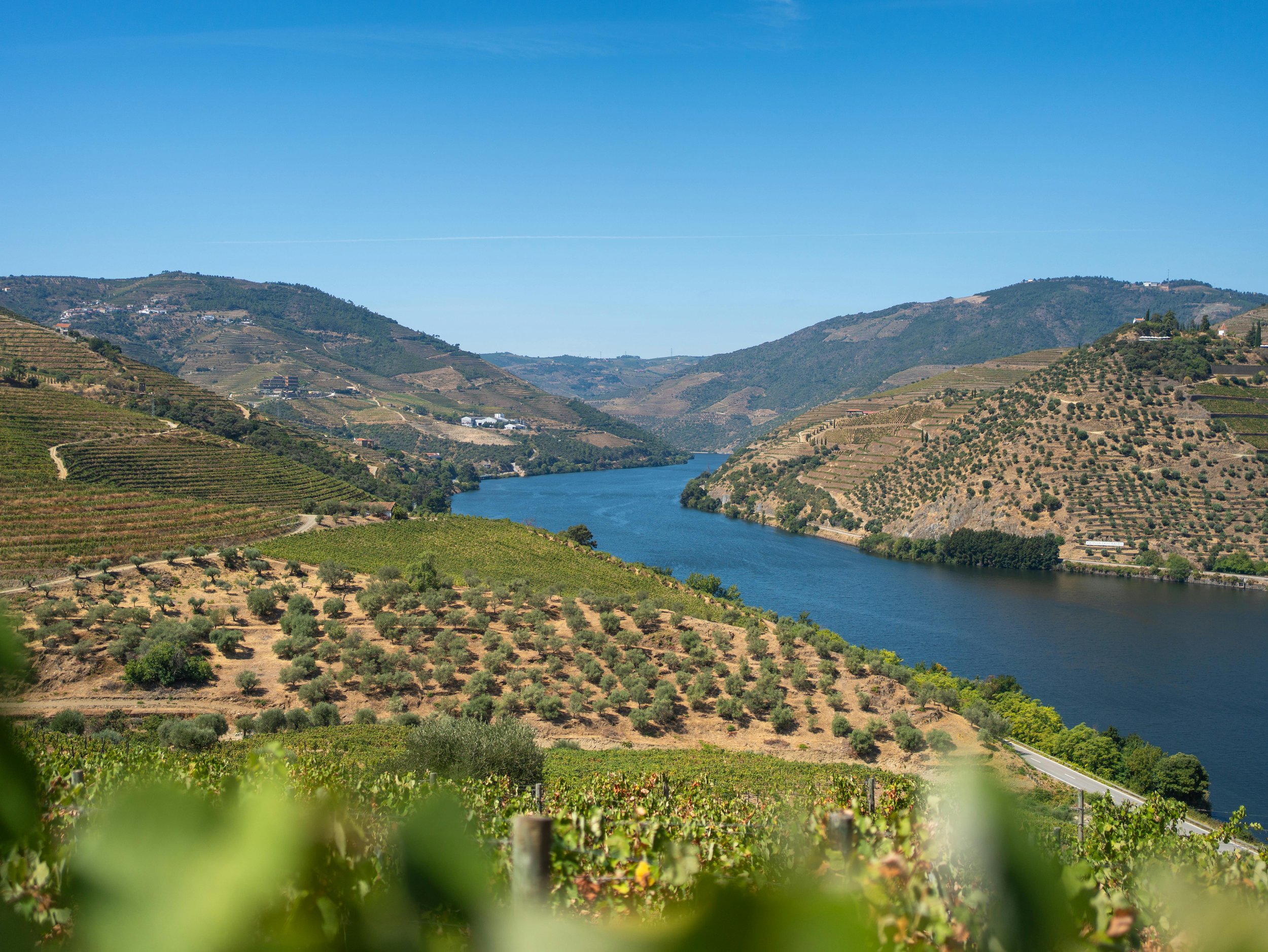
1. Northern Portugal’s Douro Valley
Once known mainly for its vineyards, the Douro Valley has blossomed into a slow-travel favourite:
Why it’s perfect for slow travel: Rolling river landscapes, historic villages and intimate lodges encourage extended stays of 10 days to 4 weeks.
Experiences that deepen connection: Hands-on wine tours with producers, olive-oil tastings with families who have farmed for generations, river hikes and cooking classes focused on Serra cuisine.
Local culture that rewards time: Markets, weekly festivals and neighbourhood cafés are best experienced at a leisurely pace.
Douro Valley, Portugal — 4 Key Travel Essentials
1.Best Time of Year to Go
The Douro Valley’s most celebrated seasons are spring (March–May) and autumn (September–October): mild temperatures, lush landscapes or harvest colour and excellent outdoor experiences. Summer can become very hot (over 30 °C) and winter wetter, which may limit outdoor activities.
2. Currency & Exchange (GBP → EUR)
Portugal uses the Euro (€). At current rates (late 2025 into 2026), the pound has been relatively strong against the Euro, meaning British travellers may find good value on the ground — though rates do fluctuate, so always check live before you exchange. You can also use the handy convert function on an iPhone calculator for an up-to-date currency rate!
3. SIM Cards & Wi-Fi
Prepaid SIMs from MEO, Vodafone or NOS are easy to buy at airports and local shops and provide good data coverage for maps, bookings and translation. eSIMs from global providers like Airalo or Holafly also work well and activate before or upon arrival.
4. Getting Around & Local Transport
The Douro Valley’s roads can be narrow and scenic — renting a car gives the most flexibility for slow exploration of quintas, viewpoints and villages. Public buses exist, but schedules are limited and less practical for spontaneous stops. Train travel from Porto to Pinhão is a gorgeous scenic option but not suited for vineyard-to-vineyard hops.
Travelers can live like locals learning Portuguese basics, joining regular yoga classes overlooking the river or biking between villages without rush.
2. Japan’s Tohoku Region
While Tokyo and Kyoto remain massive draws, Tohoku (the northern stretch of Japan’s main island) is emerging as a slow travel haven:
Why it’s rising: Accessible by Shinkansen (bullet train) yet beautifully unhurried Tohoku offers mountains, hot springs, rice terraces, coastal towns and historic post-towns with few crowds.
Slow travel attractions: Seasonal festivals (like the Nebuta in Aomori), onsen (thermal bath) towns where you can stay a week unwinding and ryokan (traditional inns) where meals are multi-hour cultural experiences.
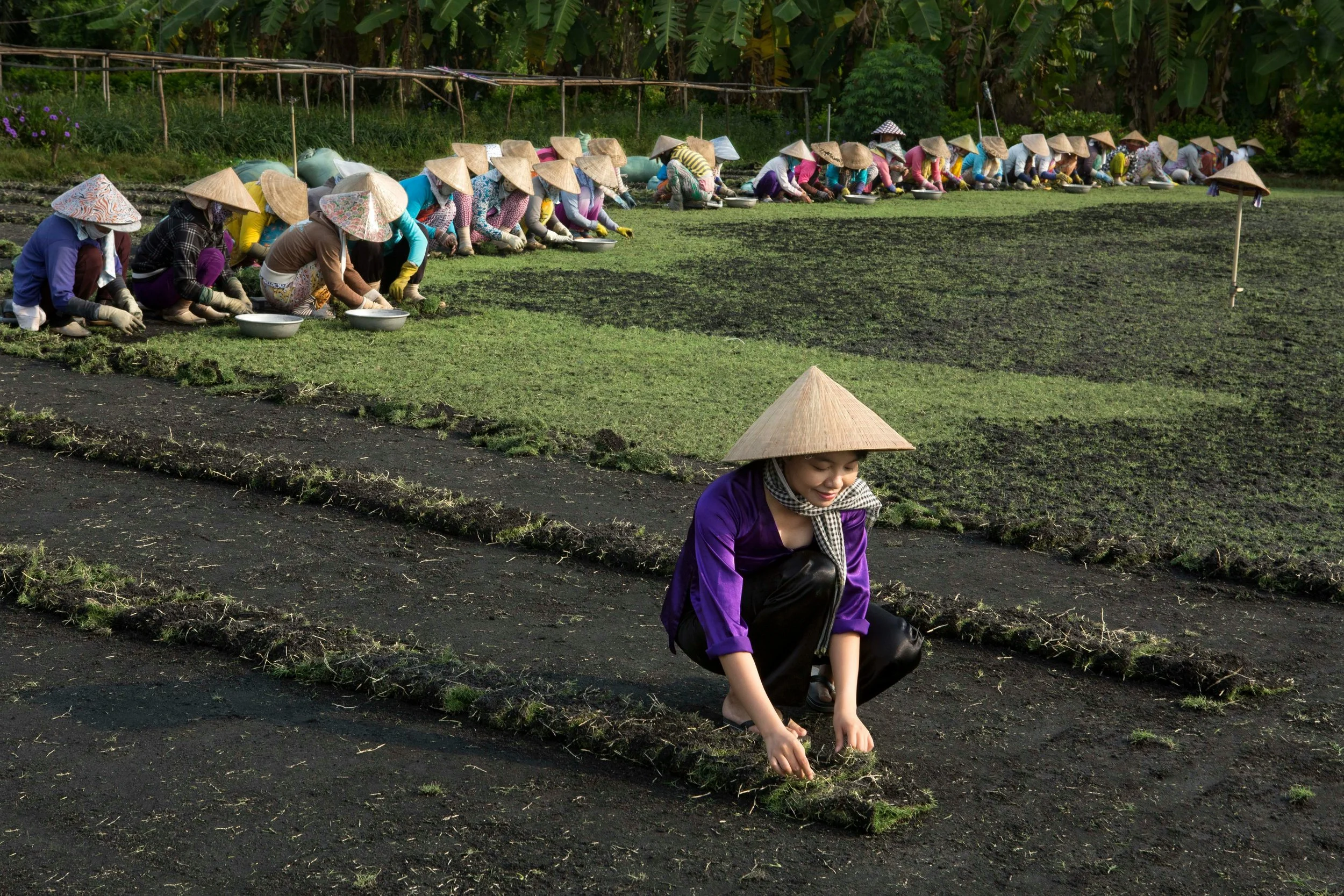
Community experiences: Rice planting and harvest stays with local farms, forest bathing (shinrin-yoku) retreats and artisanal workshops (pottery, lacquerware) that reward time invested.
Tohoku Region, Japan — 4 Must-Know Travel Essentials
1.Best Time of Year to Go:
Tohoku shines year-round, but your experience will vary widely with the season. Summer (June–August) brings vibrant festivals like Nebuta and Sendai Tanabata, while winter (December–February) offers snowy landscapes and onsen hot springs. Shoulder seasons (spring and autumn) combine mild weather with stunning nature and fewer crowds. Planning around local festivals can hugely enrich a slow travel trip and spring travel also provides the opportunity to view the famous Japanese Cherry Blossoms
2. Currency & Exchange (GBP → JPY)
Japan uses the Japanese yen (¥). As of early 2026, £1 converts to roughly ¥210–¥212 — meaning your GBP has strong buying power in Japan compared to historical norms.
TIP: Japan still relies heavily on cash, especially in rural areas like Tohoku. ATMs at 7-Eleven or Japan Post offices reliably accept foreign cards and it’s wise to keep cash on hand for smaller shops and transport. tour.tomogo-travel.com
3. SIM Cards & Mobile Data
Staying connected is essential for navigation and bookings. eSIM options like Airalo, Japan Wireless, Ubigi, Sim Local or Jetpac are popular for tourists and can be installed before arrival with 4G/5G coverage across Japan.
TIP: Physical SIMs can also be bought at airports or stores like Bic Camera with potentially better local deals. Ensure your phone is unlocked for local SIM use.
4. Language & Etiquette
English is increasingly understood in urban areas, but Tohoku’s rural towns remain predominantly Japanese speaking. Learning basic phrases and using translation apps will go a long way. Customs matter — little things like bowing slightly, removing shoes in ryokan, not eating on the street and not tipping are part of respectful travel here.
Tohoku’s welcoming locals and slower pace make it ideal for travellers who want to not just visit, but to connect.
Slow Travel vs Old Skool “Fast Travel”: Pros & Cons
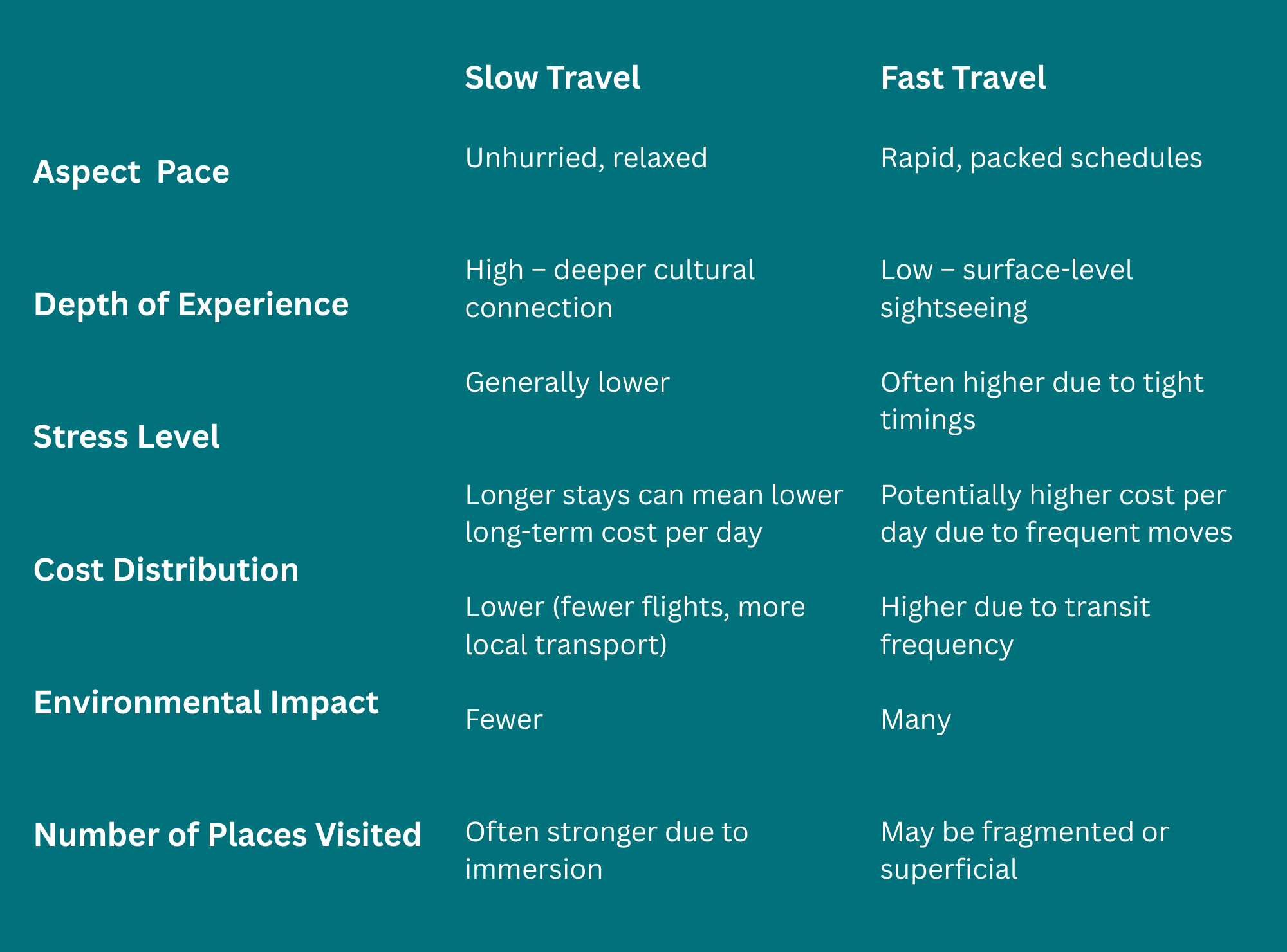
Why Slow Travel Wins for Many in 2026
Slow travel aligns with evolving values—authenticity, sustainability, wellness and meaningful engagement. Travelers are no longer satisfied with the stereotype of “sightseeing sprint vacations.” They want stories, friendships, rituals and experiences that linger well after the trip ends.
But fast travel still has its place. For first-time visitors on tight time or budget constraints who just want to see major highlights, a quick trip can be exciting and efficient.
Final Thoughts On Slow Travel And Why We Love It
Slow travel isn’t just a trend – we believe it’s a response to how people want to live and explore the world today. As travel-lovers ourselves, we couldn’t agree more with living life differently, exploring the world differently and finding real connection in where you travel. It encourages travellers to pause, listen, connect and grow. Whether you’re planning a long working holiday, a cultural immersion trip or a wellness escape, slow travel offers depth, purpose and richer memories – and we can’t wait to help you plan your next adventure!